


The Hidden Impact of Trauma on Teens: How Stress Shows Up in School, Friendships, and Home Life

Can a teen be traumatized?
The short answer: yes.
The longer answer is that children, teens, and adults can all be profoundly impacted by events and experiences, sometimes in surprising ways. Injury and illness, loss, violence, abuse, natural disasters, and more can lead to trauma in your teen.
Trauma is the result of staying stuck in a fight-or-flight style stress response when memories (including visual, emotional, and sensory memories) are triggered that feel like the event. A smell, an image, a conversation, and suddenly, your teen is right back in the moment of the traumatic event (or events), with all the physical and mental overwhelm that comes with it.
Teen trauma is very individual. What simply upsets one person can traumatize another. So, it’s important—if your teen is showing signs of trauma—that you take it seriously, even if you’re not sure what happened was really a big deal. If it is a big deal to your teen, it’s a big deal, period.
Trauma in teens can look like:
- Excessive worry, fear, or sadness
- Avoiding places, events, people, or conversations that remind them of their trauma (even if the thing they’re avoiding doesn’t directly link to the traumatic experience)
- Struggling to sleep or having nightmares
- Mentally and emotionally shutting down
- Pushing you away, or trying to spend more time with you (or both)
- Outsized reactions to small experiences
- Mood swings
- Talking constantly about the event, or completely refusing to talk about it
- Pulling away from friends and family or avoiding school, hobbies, and things they usually enjoy
How does teen trauma manifest in everyday life?
Teens aren’t textbooks, and they’re going through a lot of changes even without a traumatic experience in the mix. So, it may not always be obvious that they’re struggling with trauma. That said, there are some clear signs that can show up in everyday life that indicate your teen needs support.
School performance can suffer, or teens can veer toward perfectionism in school
Trauma adds stress to your teen’s life that can reduce their resilience against other stresses, like school. This can push teens in two different directions when it comes to participating in school, both of which are hard on your teen:
- Avoiding school pressures by ignoring homework, skipping class, trying to get out of going to school, quitting extracurriculars, refusing to participate in class, or even acting out to get out of class.
- Focusing on schoolwork to the extent that they become perfectionistic, experiencing a great deal of stress and worry over school performance, and feeling worthless if they don’t meet their own unrealistic standard.
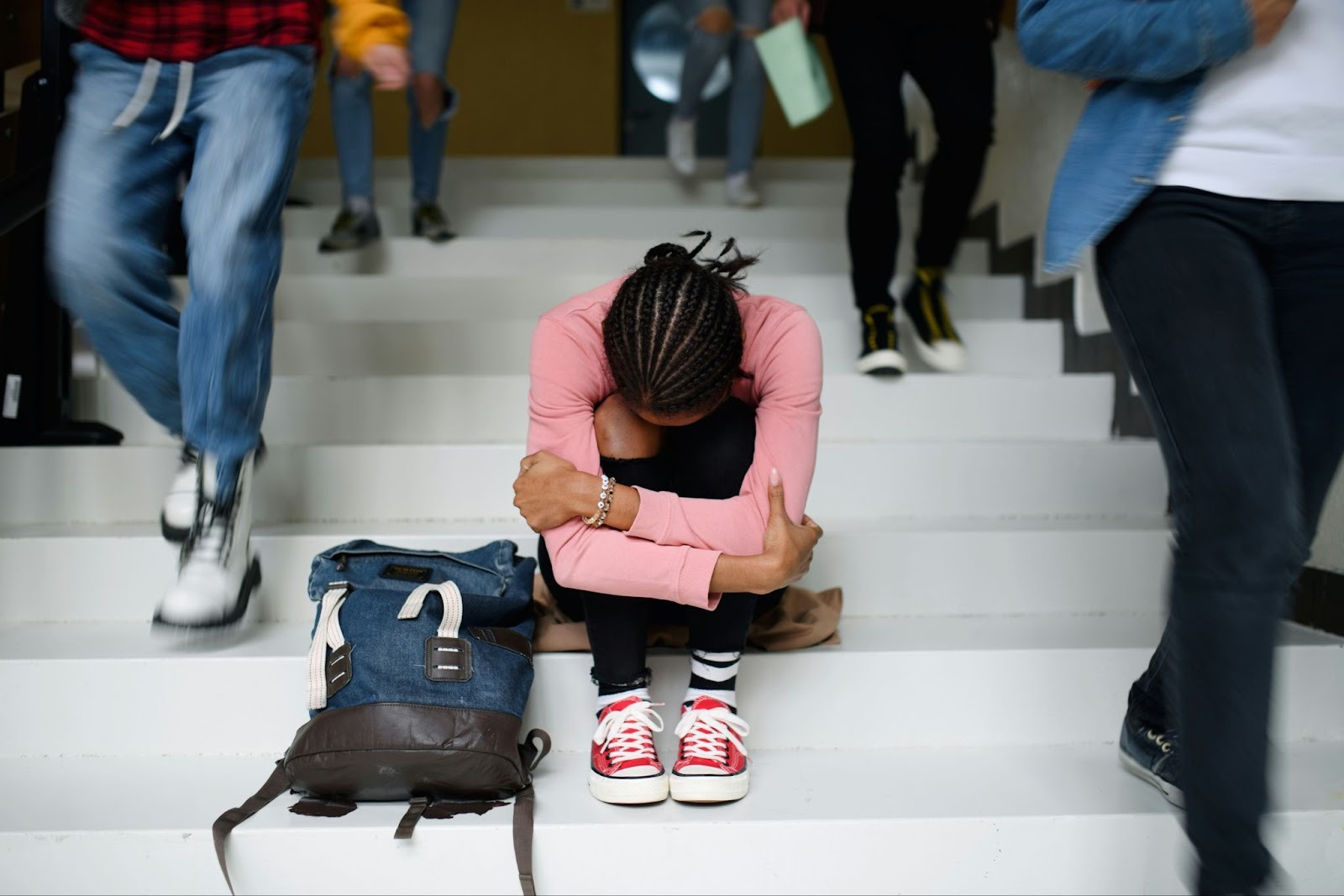
Setting boundaries with friends is hard for teens trying to cope with trauma
Teen trauma can lead to a hard time maintaining healthy friendships. The emotional struggles of trauma can lead them to reach toward their friends in an attempt to co-regulate, or to push their friends away, creating more isolation.
- The stress and fear of trauma may lead your teen to go along with the crowd on irresponsible, unsafe, or illegal activities when they’d otherwise be able to set strong boundaries.
- Your teen may reject their friends, starting fights in person or online, or shutting them out to avoid any and all social interaction.
- They may form friendships with peers they wouldn’t otherwise seek out, leading to toxic friendships they don’t enjoy and can’t leave because they aren't able to assert themselves with reasonable boundaries.
- They may become overly dependent on attention and validation from their friends, on social media, or in real life, leading to stress and feelings of abandonment if their friends are less responsive than they expect.
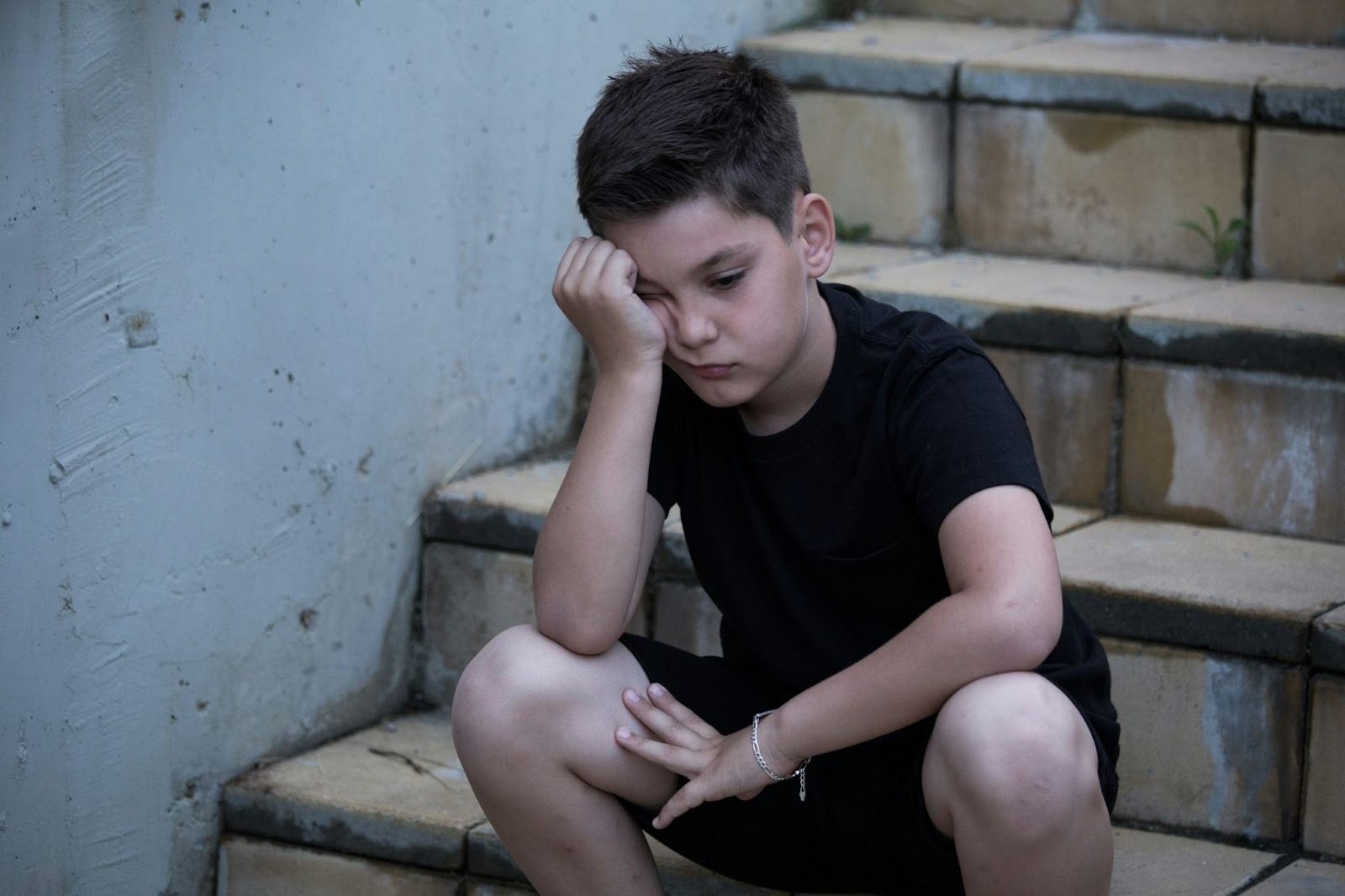
Teen stress from trauma can show up as emotional disruption
The stress of teen trauma can present as picking constant fights, or over-agreeing to the point that you wonder where your confident, assertive child went. You might feel totally shut out, even when you attempt to help. Or you might feel like even when your teen seeks your help, it’s not helping.
Trauma in teens can show up as:
- Disruptive expressions of anger and defiance that feel especially out of character
- Anxiety and fear that lead them to struggle to leave the house or be away from you
- Talk of feeling worthless, empty, or hopeless, and even mentioning that they feel like things would be better if they weren’t there.
- Self-harm or disordered eating in an attempt to express their pain and find a feeling of control when they feel totally out of control.
Home life can feel very up and down for teens struggling with trauma
If you are a parent of a teen, especially one dealing with trauma, you’ve probably noticed your home life has changed. Your child may be dealing with mood swings they don’t understand and aren’t able to fully manage, and they may be pushing you away, or trying to be close to you, or both in rapid succession.
The changes in their social life and their rejection of, or preoccupation with, their responsibilities can be reflected at home, with them either totally rejecting obligations, chores, and parental expectations or becoming preoccupied with meeting them as an attempt to control something in their life.

How can parents help their teen cope with trauma?
Even if your teen is shutting you out or pushing you away, or if they’re not soothed even while they’re trying to spend as much time with you as possible, you have an important role to play in their ability to cope with and heal from trauma. You can be a cornerstone in teaching them teen stress management, especially if you work on striking a balance between being there for your teen and giving them space.
Parents of traumatized teens can:
- Listen and validate their teen when they express their distress. Even if it’s the 12th time you’ve heard the same worry, your teen is trying to process what they’ve experienced, and they need time and space to voice what they’re going through. If they’re angry, frightened, or have other strong feelings, try not to launch into problem-solving mode. Try to listen first.
- You don’t have to be permissive if your teen is destructive or insulting, but harsh punishments probably won’t work here either. Holding them responsible is important too; offering them structure, while also giving them space to play out their feelings (non-destructively) can help prevent behavior escalations.
- Work with your teen on calming exercises that help them stay present, like paced breathing, meditation, or yoga. This can serve both as a way to support them as they process their trauma and a way to bond in calmness, not distress.
- Connect your teen to support that’s designed for them, like a teen counselor. Their counselor will serve as a sounding board, creating a space where your teen can tell the whole truth, no matter how angry, frightened, or sad they are. From there, the counselor can help them learn to manage their stress and process their trauma. Counseling can help them learn how to build healthy relationships, support their own self-esteem, and engage with their friends, family, and life even when they’re stressed from trauma.
Is it time for your teen to try counseling in Chicago?
If your teen is struggling with trauma, it’s understandable if, as a parent, you’re not sure how to help. Teen counseling in Chicago with Pure Health Center can be a source of understanding and support, not just for your teen but for you, too. Trauma can feel isolating and lonely, but your teen doesn’t have to face this alone. And the stress-management skills they pick up in therapy can help them both now and throughout their life.
Ready to explore trauma therapy options for your teen or yourself? Reach out today to learn more about teen and individual counseling in Chicago.